


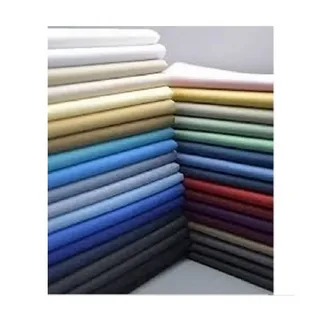
New York City’s fashion scene is built on a foundation of creativity, quality, and meticulous attention to detail. For the city’s top fashion houses, the choice of material is one of the most critical decisions in creating a collection. This post explains why viscose is a popular choice for premium lines and how NYC designers select the perfect viscose fabric for their garments.
What is Viscose?
Viscose is a semi-synthetic fiber made from regenerated cellulose, typically derived from wood pulp. It’s often called rayon and is known for its silk-like feel, making it a popular alternative to more expensive materials.
The production process involves treating wood pulp with chemicals to create a viscous solution, which is then spun into fibers. The result is a material that combines the breathability of natural fibers like cotton with the smooth finish of silk.
Key properties of viscose include:
- Softness and Comfort: It feels soft and smooth against the skin.
- Drape: Viscose fabric hangs beautifully, making it ideal for flowing dresses, blouses, and skirts.
- Breathability: Like cotton, it allows air to circulate, making it comfortable to wear in various climates.
- Absorbency: It absorbs moisture well, which helps in dyeing and printing, resulting in deep, vibrant colors.
From a sustainability perspective, viscose is made from renewable resources. However, the environmental impact of its production can vary significantly depending on the methods used. Modern, responsible manufacturing processes aim to minimize chemical waste and water usage.
Criteria for Selecting Viscose Fabric
NYC fashion houses have a strict set of criteria when choosing viscose fabric for their collections. The material must align with the brand’s commitment to quality and design.
Quality and Texture
The first thing designers assess is the fabric’s quality. They look for a consistent weave, free from imperfections. The texture must match the intended feel of the garment, whether it’s a lightweight, airy feel for a summer dress or a heavier, more structured texture for a tailored blazer. The handfeel—how the fabric feels to the touch—is paramount. It must be soft, smooth, and convey a sense of luxury.
Drape and Flow
How a fabric hangs and moves on the body is crucial. Viscose is prized for its fluid drape, which can create elegant silhouettes. Designers test how different weights and weaves of viscose fall. A fabric with the right drape can elevate a simple design, giving it movement and life. This is especially important for dresses, skirts, and blouses that rely on a flowing aesthetic.
Color Retention and Vibrancy
The ability of a fabric to hold color is another key factor. Fashion is all about color, and designers need materials that can be dyed to precise shades and maintain their vibrancy after production and wear. Viscose is known for its excellent color retention, allowing for rich, saturated hues that don’t fade easily. Designers test fabric swatches to ensure they can achieve the exact colors needed for their seasonal palettes.
Ethical and Sustainable Sourcing
Increasingly, ethical and sustainable practices are non-negotiable for top fashion houses. When selecting viscose, they look for suppliers who adhere to responsible manufacturing standards. This includes using pulp from sustainably managed forests and employing closed-loop production processes that recycle chemicals and water. Certifications like the Forest Stewardship Council (FSC) or OEKO-TEX provide assurance that the fabric meets these standards.
How Fashion Houses Source Viscose
The process of sourcing high-quality viscose fabric involves building strong relationships with trusted suppliers. Many NYC designers work with established fabric mills and suppliers who are known for their quality and reliability.
One such supplier is Fabriclore Pvt Ltd, which has gained a reputation as a reliable source for both local designers and those looking to buy fabric online. They offer a wide range of materials, including various types of high-quality viscose, and provide transparency about their sourcing and manufacturing processes.
The sourcing process typically involves:
- Requesting Swatches: Designers request samples from multiple suppliers to compare quality, texture, and color.
- Lab Dips: For custom colors, designers send color standards to the mill, which then produces small dyed samples, known as lab dips, for approval.
- Supplier Vetting: Fashion houses vet potential suppliers to ensure they meet ethical and environmental standards. This may involve site visits and reviewing certifications.
- Building Partnerships: Long-term relationships with reliable suppliers are key. These partnerships ensure a consistent supply of quality materials and allow for collaboration on developing custom fabrics.
Viscose in NYC Fashion Collections
Viscose is a versatile material that appears in a wide range of garments in NYC fashion collections.
- Flowing Dresses: The beautiful drape of viscose makes it a go-to for maxi dresses and slip dresses that require fluid movement.
- Elegant Blouses: Lightweight viscose is perfect for creating soft, sophisticated blouses that can be dressed up or down.
- Tailored Trousers: Heavier blends of viscose can be used for wide-leg trousers that offer both structure and comfort.
- Luxury Linings: The smooth, silky feel of viscose makes it an excellent choice for lining jackets and coats, adding a touch of comfort and refinement.
Designers often blend viscose with other fibers like silk, cotton, or linen to enhance its properties, creating unique textures and performance characteristics.
Improving Viscose for the Future
The fashion industry is actively working to address the environmental concerns associated with traditional viscose production. Innovations are leading to more sustainable alternatives.
Brands like Lenzing have developed TENCEL™ Lyocell and Modal fibers, which are produced in a closed-loop system that recycles over 99% of the solvents and water used. These materials offer the same desirable qualities as standard viscose but with a much smaller environmental footprint. Many NYC fashion houses are increasingly incorporating these next-generation cellulosic fibers into their collections.
The Enduring Role of Viscose
The selection of viscose fabric by NYC’s top fashion houses is a thoughtful process that balances aesthetics, performance, and responsibility. From its silk-like feel to its excellent drape and color vibrancy, viscose offers designers a versatile material for creating premium garments. As the industry continues to prioritize sustainability, the focus on responsibly sourced and produced viscose will only grow, ensuring its place in high fashion for years to come.
Fabriclore highlights four main types of viscose fabric weaves on this page: Plain Weave Viscose, Twill Weave Viscose, Satin Weave Viscose, and Jacquard Weave Viscose. Plain weave viscose is described as simple, sturdy, and versatile for everyday clothing and home textiles. Twill weave viscose features a diagonal rib for added durability, making it suitable for trousers, jackets, and other hard‑wearing garments. Satin weave viscose offers a glossy, smooth, high–thread count surface ideal for eveningwear and lingerie. Jacquard weave viscose incorporates intricate woven patterns, used for upscale garments, decorative pieces, and couture applications.
Fabriclore is a leading B2B fabric sourcing platform dedicated to empowering fashion designers, apparel manufacturers, and clothing brands worldwide. With 10+ years of experience in the textile industry, we have built a trusted network that connects creativity with high-quality fabrics, ensuring seamless and efficient sourcing for every scale of production.
Our extensive collection includes natural fibers like cotton fabric, linen fabric, and silk fabric; man-made fibers such as viscose and polyester; along with sustainable options like LENZING™, LIVA™, BEMBERG™ Cupro, and organic cotton.
We offer four key services tailored to meet every design and production need:
- Dyeable Fabric – Woven RFD & greige, sustainable, and knitted fabrics.
- Dyed Fabric – Mill dyed, yarn dyed, Schiffli, and denim fabrics.
- Made To Order – Digital printing, screen printing, block printing, and dyeing solutions.
- Ready Stock – Block, screen, Ikat, tweed, and jacquard fabrics.
Explore our diverse range of custom-printed, ready mill-dyed, and yarn-dyed fabrics to find the perfect match for your next collection.
For personalized assistance or inquiries, reach out to us at [email protected].
Experience seamless, authentic, and affordable fabric sourcing with Fabriclore — your trusted partner with over a decade of expertise in the global textile industry.
