


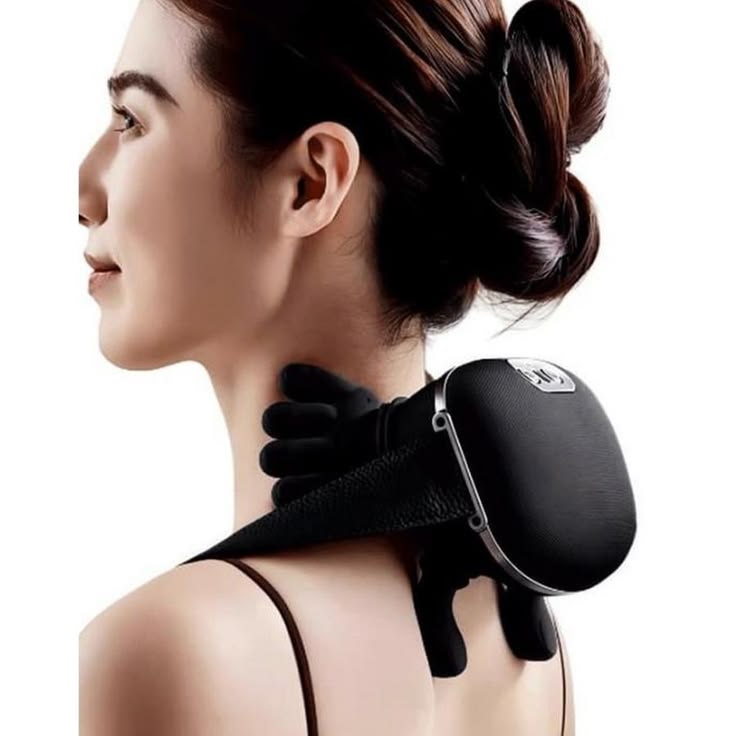
One of the most important—but often misunderstood—features in a shoulder massager is adjustable intensity. Many users assume that higher pressure automatically means better relief. In reality, effective shoulder recovery depends on finding the right level of intensity for your current muscle condition.
Muscles respond differently depending on fatigue, stress, and tightness. Using too much force can trigger resistance and discomfort, while too little may not provide meaningful relief. Adjustable intensity solves this by allowing the body to ease into relaxation at its own pace.
Why Intensity Control Matters
Shoulder muscles are sensitive, especially in areas like the trapezius and neck junction. These muscles are constantly engaged throughout the day, making them prone to both tightness and overstimulation.
The Balance Between Relief and Resistance
Muscles have a natural protective response. When pressure is too strong, they may tighten instead of relax. This is known as muscle guarding.
Proper intensity helps:
- Encourage relaxation instead of resistance
- Improve blood circulation gradually
- Reduce discomfort during massage
- Support deeper tissue release over time
Understanding Your Shoulder Tension Level
Not all muscle tension is the same. Choosing the right intensity starts with identifying how your shoulders feel.
Light Tension
- Mild stiffness after sitting
- Slight heaviness in shoulders
- No sharp discomfort
Best suited for low intensity settings.
Moderate Tension
- Noticeable tightness after work
- Occasional discomfort in neck or upper back
- Reduced flexibility
Medium intensity is usually most effective here.
Deep or Chronic Tension
- Persistent knots or trigger points
- Limited range of motion
- Frequent soreness or fatigue
Higher intensity may be helpful, but only after warming the muscles.
How Adjustable Intensity Works in Modern Massagers
Modern shoulder massagers are designed with multiple pressure levels that simulate different massage techniques.
1. Gradual Pressure Levels
Instead of abrupt changes, intensity increases in controlled steps. This allows muscles to adapt comfortably.
2. Variable Kneading Depth
Higher settings often increase how deeply massage nodes penetrate muscle tissue Neck shoulder massager.
3. Combined Speed and Pressure Control
Some devices adjust both speed and force together to create a more natural massage rhythm.
Why Starting Low Is More Effective
A common mistake is starting at the highest setting for quick relief. However, this can reduce effectiveness.
Muscle Adaptation
Starting gently allows muscles to gradually loosen, making deeper pressure more effective later.
Reduced Sensitivity
Tight muscles are often sensitive. Low intensity helps reduce discomfort before deeper massage begins.
Better Long-Term Results
Progressive intensity leads to more consistent relaxation over time.
The Ideal Intensity Progression Method
A structured approach works best for shoulder recovery.
Step 1: Warm-Up Phase
Begin with low intensity for 3–5 minutes to relax surface tension.
Step 2: Deep Release Phase
Increase to medium intensity to target deeper muscle layers.
Step 3: Targeted Relief Phase
Use higher intensity only for short periods on stubborn knots.
Step 4: Cool-Down Phase
Return to low intensity to finish the session and stabilize relaxation.
How Heat Enhances Intensity Control
Heat and intensity work best together.
Why Heat Matters
Heat helps muscles relax before pressure is applied, making higher intensity more comfortable and effective.
Combined Effect
- Heat softens muscle fibers
- Intensity releases deep tension
- Together they improve overall recovery
Signs You Are Using the Wrong Intensity
Your body gives clear feedback when settings are not optimal.
Too High
- Muscle tightening during use
- Discomfort or pain
- Feeling tense after massage
Too Low
- No noticeable relief
- Lack of muscle response
- Minimal change in stiffness
Finding Your Personal “Sweet Spot”
The ideal intensity is not fixed—it changes daily based on your condition.
Factors That Affect It
- Stress levels
- Physical activity
- Sleep quality
- Posture throughout the day
This is why adjustable devices are more effective than single-setting tools.
Benefits of Proper Intensity Control
1. Faster Muscle Recovery
Correct pressure helps muscles relax more efficiently without overstimulation.
2. Reduced Risk of Discomfort
Avoids unnecessary strain on already sensitive areas.
3. Improved Consistency
Comfortable settings encourage regular use.
4. Better Long-Term Results
Gradual adaptation leads to more lasting relief from chronic tension.
Common Mistakes to Avoid
Using Maximum Intensity Immediately
This often causes muscles to resist rather than relax.
Ignoring Daily Variation
Your muscles may need different settings on different days.
Overusing High Pressure
Too much deep pressure can lead to temporary soreness.
How Adjustable Intensity Fits Into Daily Life
A shoulder massager becomes most effective when it adapts to your routine.
After Work
Medium intensity helps release accumulated tension.
During Stress Breaks
Low intensity is ideal for quick relaxation.
Before Sleep
Gentle settings support calmness and recovery.
Final Thoughts
Adjustable intensity is not just a feature—it is the key to personalized shoulder recovery. Every person’s muscle condition changes daily, and no single pressure level works for every situation.
By learning to match intensity to your body’s needs, you can significantly improve comfort, reduce stiffness, and enhance the effectiveness of each massage session. When used correctly, adjustable intensity transforms a simple device into a flexible recovery tool that supports both immediate relief and long-term muscle health.
