


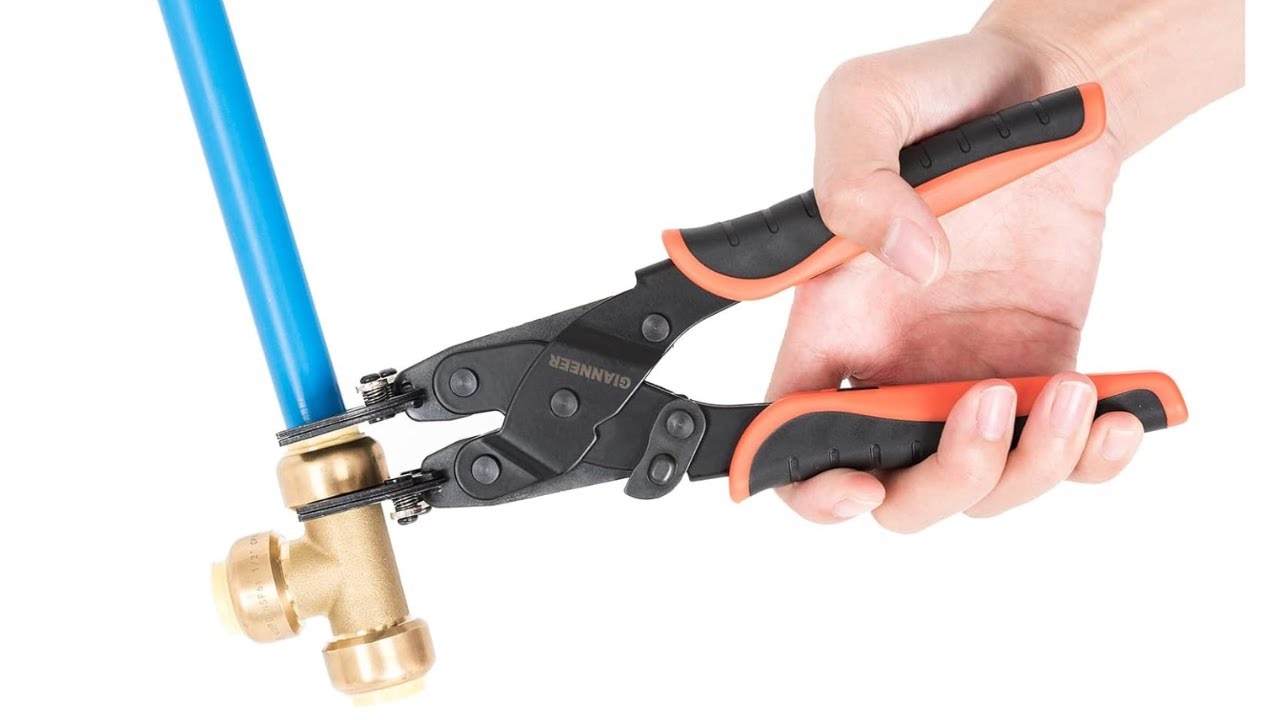
The best PEX fittings depend on your plumbing project, budget, and installation experience. Understanding how different types of PEX fittings work helps you choose the right connection for a reliable and long-lasting plumbing system.
PEX plumbing has become one of the most popular choices for residential and commercial water systems because it is flexible, durable, and easier to install than traditional copper piping. However, selecting the right fitting is just as important as choosing the right PEX tubing. The fitting you use affects the strength of the connection, installation time, maintenance, and overall system performance.
In this guide, we will explain the most common types of PEX fittings, how they compare, and what factors to consider before making your decision.
What Are PEX Fittings?
PEX fittings are connectors designed to join sections of cross-linked polyethylene, commonly known as PEX pipe. They create secure connections between pipes, valves, fixtures, and plumbing appliances while maintaining a leak-resistant seal.
Depending on the installation method, PEX fittings require different connection systems. Some need specialized tools while others can be installed with minimal equipment.
Understanding these options allows homeowners and professionals to choose the most suitable fitting for each application.
Why Choosing the Right PEX Fittings Matters
Not every plumbing project has the same requirements. Choosing the appropriate fitting can improve both installation efficiency and long-term reliability.
The right fitting can provide:
- Strong, leak-resistant connections
- Faster installation
- Better corrosion resistance
- Lower maintenance requirements
- Compatibility with your existing plumbing system
- Longer service life
Using an incompatible fitting or incorrect installation method can increase the risk of leaks or premature system failure.
Common Types of PEX FittingsCrimp Fittings
Crimp fittings are one of the oldest and most widely used PEX connection methods.
This system uses a brass or poly fitting inserted into the tubing. A copper crimp ring is then compressed around the tubing using a crimp tool.
Advantages
- Widely available
- Cost effective
- Trusted by professional plumbers
- Suitable for large plumbing installations
Considerations
- Requires a dedicated crimp tool
- Connections should be checked with a go or no go gauge
Crimp fittings remain an excellent choice for homeowners planning multiple plumbing projects because the tool investment becomes worthwhile over time.
Clamp Fittings
Clamp fittings work similarly to crimp fittings but use stainless steel clamp rings instead of copper rings.
The clamp is tightened using a clamp tool that compresses the ring around the fitting.
Advantages
- Works across multiple pipe sizes using one tool
- Stainless steel offers excellent corrosion resistance
- Easier for occasional installers
Considerations
- Requires a clamp tool
- Proper installation technique remains important
Many DIY homeowners appreciate clamp systems because they simplify tool requirements while still providing reliable performance.
Push to Connect Fittings
Push to connect fittings have become increasingly popular because of their simplicity.
Instead of using rings or expansion tools, the tubing simply pushes into the fitting until it locks securely in place.
Advantages
- No special installation tools required
- Very fast installation
- Excellent for repairs and emergency fixes
- Easy to disconnect with the proper removal tool
Considerations
- Usually more expensive than crimp or clamp fittings
- Cost may become significant for large projects
These fittings are particularly useful when working in tight spaces or when quick repairs are needed.
Expansion Fittings
Expansion fittings are commonly used with PEX A tubing.
The tubing is temporarily expanded using a powered or manual expansion tool before inserting the fitting. As the tubing naturally contracts, it forms a secure seal around the fitting.
Advantages
- Excellent flow because the fitting does not significantly reduce the inside diameter
- Strong long term connection
- Reliable sealing without clamps or crimp rings
Considerations
- Requires PEX A tubing
- Requires an expansion tool
- Higher initial tool cost
Many plumbing professionals prefer expansion systems for larger residential installations because of their consistent performance.
Brass vs Poly PEX Fittings
PEX fittings are commonly manufactured from either brass or engineered polymer.
Brass Fittings
Brass fittings have long been trusted in plumbing systems.
They offer:
- High strength
- Excellent durability
- Resistance to impact
- Wide compatibility
Modern brass fittings designed for potable water typically meet strict industry standards.
Poly Fittings
Engineered polymer fittings continue to gain popularity.
Benefits include:
- Corrosion resistance
- Lightweight construction
- Lower cost
- No risk of dezincification
Many plumbing codes allow certified polymer fittings for residential water distribution systems.
Which PEX Fitting Is Best?
There is no single best fit for every project.
The ideal choice depends on your specific situation.
Each method can provide excellent performance when installed according to the manufacturer’s instructions.
Tips for Installing PEX Fittings
Proper installation is essential regardless of the fitting type.
Keep these best practices in mind:
- Cut PEX tubing square using a dedicated PEX cutter.
- Inspect fittings before installation.
- Follow the manufacturer’s installation instructions.
- Use only compatible fittings and tubing.
- Pressure test the system before closing walls or ceilings.
- Avoid exposing PEX to prolonged direct sunlight before installation.
Attention to detail during installation helps prevent future plumbing issues.
Are PEX Fittings Safe for Drinking Water?
Yes. Most certified PEX fittings are designed for potable water applications and must meet industry safety standards.
In the United States, many products comply with standards established by organizations such as NSF International and ASTM International, helping ensure they are suitable for drinking water systems when installed correctly.
For more information about PEX standards, visit:
- ASTM International:https://www.astm.org/
- NSF International Drinking Water Standards:https://www.nsf.org/
Frequently Asked Questions
What is the strongest type of PEX fitting?
Expansion fittings are often considered among the strongest because the tubing naturally contracts around the fitting, creating a secure seal. However, properly installed crimp and clamp fittings also provide excellent long term performance.
Are push to connect fittings permanent?
Many push to connect fittings are approved for permanent installations where local plumbing codes allow them. Always verify local code requirements before installation.
Can I mix different types of PEX fittings?
In many cases, yes, provided the fittings are compatible with your PEX tubing and meet applicable plumbing codes. Always follow the manufacturer’s recommendations.
Do PEX fittings reduce water flow?
Some fittings slightly reduce the internal diameter of the pipe, particularly insert style fittings. Expansion fittings generally maintain better flow because the tubing expands around the fitting.
Which PEX fitting is easiest for beginners?
Push to connect fittings are generally the easiest because they require very few tools and can be installed quickly. Clamp fittings are another beginner friendly option that balances ease of installation with affordability.
Conclusion
Choosing the best PEX fittings comes down to understanding your plumbing system, installation method, and long term goals. Whether you select crimp, clamp, push to connect, or expansion fittings, using the correct components and following proper installation practices will help create a dependable plumbing system for years to come.
If you are researching plumbing materials or planning your next installation, contact our team at outdoorboiler and explore more of our educational resources to help you make informed decisions with confidence.
