


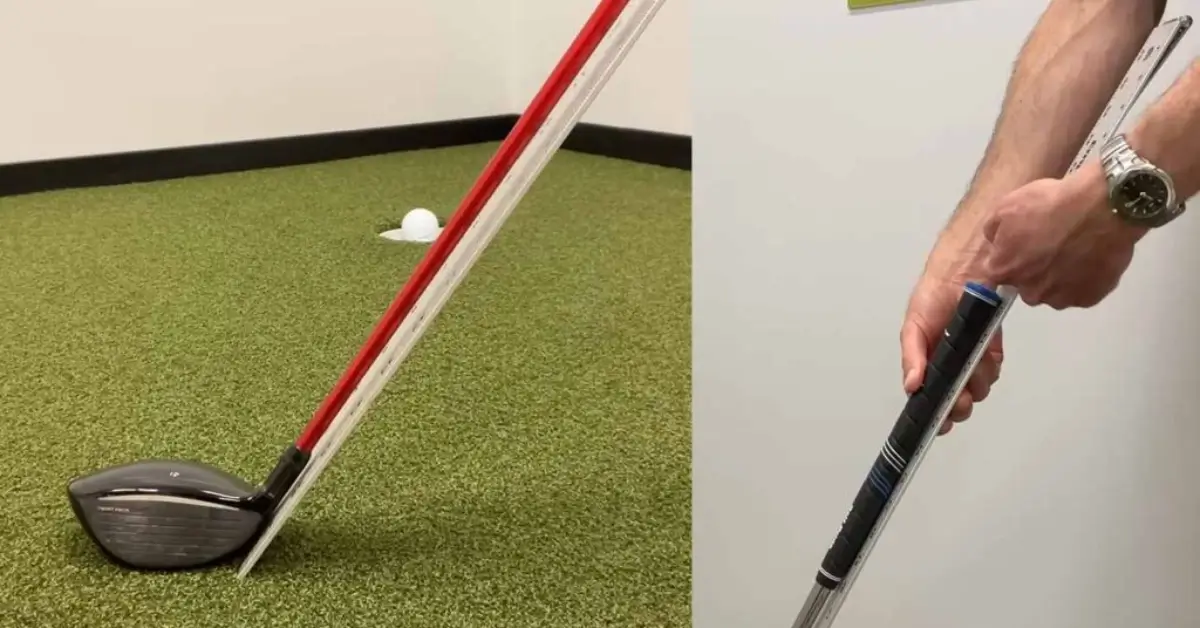
When purchasing new equipment, many golfers begin by researching standard length golf clubs. Standard specifications provide a baseline for club measurements across drivers, irons, wedges, and putters. While these measurements are designed to suit the average player, they are not automatically ideal for everyone. Understanding what “standard length” truly means can help golfers make smarter equipment decisions and avoid common performance issues.
Club length directly influences posture, swing plane, center-face contact, and ball flight. Even small deviations from an appropriate length can affect consistency and accuracy over time.
What Does “Standard Length” Actually Mean?
Standard length golf clubs refer to the industry-average shaft lengths assigned to each club in a set. For example:
- Drivers are typically around 45 to 45.75 inches
- 5-irons often measure approximately 38 inches
- Pitching wedges usually fall near 35.75 inches
These measurements may vary slightly between manufacturers, but they are generally consistent across the industry. The concept of standard length is built around accommodating golfers of average height — typically between 5’7″ and 6’1″.
However, height alone does not determine proper club fit.
Why Standard Length Works for Many Golfers
Standard length clubs are widely used because they fit a large percentage of recreational players reasonably well. For golfers whose height and arm length fall within average ranges, standard specifications often provide acceptable performance.
Advantages of standard length clubs include:
- Immediate availability without custom ordering
- Familiarity across different brands
- Lower upfront cost compared to custom builds
- Compatibility with stock shaft options
For beginners and casual players, standard length clubs may offer a practical starting point.
When Standard Length May Not Be Ideal
Despite their convenience, standard length golf clubs are not universally suitable. Golfers outside the average height range or those with unique wrist-to-floor measurements may require adjustments.
Clubs that are too long can cause:
- Upright posture at address
- Heel-biased strikes
- Pulls or hooks (for right-handed players)
Clubs that are too short may result in:
- Excessive bending at the waist
- Toe strikes
- Pushes or fades
Even a half-inch difference can influence impact consistency and directional control.
The Importance of Wrist-to-Floor Measurement
While height provides a general reference point, wrist-to-floor measurement is often more accurate for determining proper club length. This measurement accounts for arm length and posture, offering a clearer picture of how a golfer naturally addresses the ball.
A player who is 6 feet tall with shorter arms may require different club specifications than someone of the same height with longer arms. This is why professional fitting processes consider both measurements rather than relying solely on standard charts.
How Club Length Affects Performance
Club length influences several critical aspects of the golf swing:
Swing Arc
Longer clubs create a wider swing arc, potentially increasing clubhead speed. However, added length can reduce control if not matched properly.
Center-Face Contact
Correct length promotes consistent contact at the center of the clubface, maximizing distance and accuracy.
Swing Plane and Lie Angle
Improper length often requires compensations in posture, which can alter swing mechanics and affect ball flight.
Comfort and Injury Prevention
Properly fitted clubs reduce strain on the lower back, shoulders, and wrists. Over time, comfort translates into more enjoyable and consistent rounds.
Standard Length vs. Custom Fitting
Many golfers begin with standard length clubs and later discover improvements through minor adjustments. Custom fitting does not necessarily mean dramatic changes. Often, subtle modifications provide measurable benefits.
Consider a custom evaluation if you:
- Frequently strike the ball toward the heel or toe
- Feel uncomfortable at address
- Struggle with consistent ball flight
- Experience back discomfort during or after rounds
Equipment should complement your natural build and swing style rather than forcing mechanical compensation.
Building a Better Equipment Strategy
Understanding standard length golf clubs is an important first step, but it should not be the final decision point. Golfers serious about improving performance benefit from evaluating how their equipment fits their body and swing characteristics.
Modern club design allows for precise adjustments in length, lie angle, shaft flex, and swing weight. By tailoring these variables, players can create a set that enhances consistency rather than introducing variability.
Properly fitted clubs provide:
- Improved ball striking
- Tighter dispersion patterns
- Greater distance control
- Increased confidence at address
Confidence alone can positively impact scoring performance.
Making an Informed Decision
Before assuming that standard length clubs are the correct choice, golfers should review measurement charts and consider professional guidance. Even if your clubs fall within standard specifications, confirming the fit can eliminate uncertainty.
For players seeking reliable equipment guidance and quality components, Hireko Golf offers detailed resources and solutions designed to help golfers understand specifications and optimize their setups.
If you are ready to elevate your game, start by ensuring your equipment supports your body and swing mechanics. The right club length is not just a technical detail — it is a foundational element of consistent, confident golf.
