


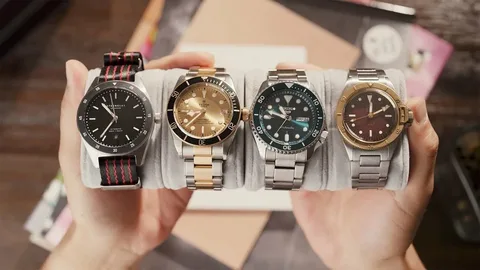
The Importance of Knowing What’s Under the Dial
There’s no denying the charm of a luxury watch. Whether you’re drawn to the shine of a polished case or the intricate design of a skeleton dial, watches have an uncanny way of capturing attention. But before you fall for the aesthetics alone, it’s worth understanding what really makes a timepiece tick. Behind every beautiful exterior lies a combination of craftsmanship and technical specs that define its quality, performance, and long-term value.
Knowing watch specifications isn’t just for collectors or horology nerds. If you’re planning to invest in a fine watch, whether as a statement piece, heirloom, or reward for a personal milestone, it pays to know what you’re buying. The goal here isn’t to memorize every watch term in the book, but to be informed enough to choose a piece that fits your lifestyle and taste.
Movement Matters More Than You Think
Let’s start with the heart of the watch: the movement. This is what powers the hands, the date wheel, and any complications (those fancy extra features like moon phases or chronographs). Movements come in several types, with mechanical and quartz being the most common.
A mechanical movement, either manual or automatic, is powered by gears and springs, pure old-school engineering. It’s the go-to for traditionalists who appreciate artistry and craftsmanship. On the flip side, quartz movements run on batteries and are generally more accurate with less maintenance.
But it’s not just about which movement is better. It’s about which one suits your lifestyle. If you want a daily wear watch with minimal fuss, quartz might be your friend. If you want something you can admire through a transparent caseback while sipping espresso, a mechanical is calling your name.
Case Size and Material: A Matter of Proportion and Personality
Ever tried on a watch and felt like it was swallowing your wrist? That’s probably a case size mismatch. Understanding dimensions like case diameter and thickness helps you pick a watch that looks and feels just right.
Case sizes typically range from 36mm to 44mm for men and slightly smaller for women, though modern tastes are increasingly unisex. A larger case offers a bolder look, while a smaller one leans more classic. Don’t just rely on numbers; wrist shape and personal style matter, too.
Material is another overlooked detail. Stainless steel is the most common, but gold, platinum, ceramic, and titanium each bring their own weight, durability, and visual flair. Some materials scratch more easily, others cost a lot more, and some just feel better when worn for hours. Knowing your options here helps avoid buyer’s regret after the novelty wears off.
Crystal Clear: The Watch Glass Breakdown
The watch crystal (nope, not the spiritual kind) is the transparent cover that protects the dial. Most luxury watches use sapphire crystal for its scratch resistance and clarity. It’s durable, sleek, and nearly invisible from the right angles. Mineral glass is a step down in durability, but still found in some quality watches.
Plastic crystals? Let’s just say those belong on nostalgic digital watches from your childhood. If you’re investing in a luxury piece, sapphire crystal should be the standard you’re aiming for, it keeps your dial pristine and protects the finer details beneath.
Water Resistance Isn’t Just for Divers
You’d be surprised how many people assume their watch can handle water just because it says “water resistant.” That label doesn’t always mean you can go swimming with it. Water resistance is measured in meters or ATM (atmospheres), and the difference between splash-proof and swim-proof is significant.
For everyday wear, 30m or 50m might be enough to handle rain or hand washing. But if you plan to take your watch near a pool, shower, or ocean, aim for at least 100m. And if you’re genuinely diving into deep water, you’ll need a proper dive watch with screw-down crowns and seals.
Water resistance also affects long-term durability. Moisture and condensation can sneak into poorly sealed cases and cause internal damage. So even if you’re not diving with your watch, understanding these ratings helps you protect your investment.
Complications Can Be Quite Simple
In watchmaking, a complication isn’t a problem; it’s a bonus. It refers to any function beyond standard timekeeping. Common ones include chronographs (stopwatches), date displays, dual time zones, and moon phases.
While complications sound impressive, they should serve your lifestyle. Love traveling? A GMT feature might be useful. Into timing your workouts? A chronograph adds both utility and style. Complications also add to the price, so it’s smart to know which ones you’ll actually use before falling for all the bells and whistles.
That said, a beautifully arranged dial with multiple complications can be a work of art. If you’re buying for aesthetics and personal enjoyment, even the most intricate complication can feel like a small piece of mechanical poetry on your wrist.
Where to Find Trustworthy Info and Trusted Pieces
The luxury watch world is vast, and not every listing gives you all the specs you need. When browsing for your next timepiece, you want full transparency on details like movement type, case size, material, water resistance, and model number. These aren’t just nice-to-knows; they help verify authenticity, justify the price, and support resale value.
If you’re looking to explore a curated selection of timepieces with reliable specs and authentic craftsmanship,Click Here for More Information and start your journey with confidence. Knowing what to look for is only half the equation. The other half is finding a source that values accuracy as much as you do.
Make Time for the Right Decision
Buying a luxury watch isn’t just about the look. It’s about choosing something that matches your taste, your lifestyle, and your standards. Specs like movement, case size, water resistance, and crystal type may sound technical, but they make all the difference in how your watch feels and functions on your wrist.
Take your time, ask questions, and compare models. The perfect watch should feel like a natural extension of you, not just something that looks good in photos. And when you understand the details behind the dial, every glance at your wrist becomes a little more satisfying.
Your next luxury timepiece isn’t just a purchase. It’s a personal statement. Make it wisely.
